

7 Signs of a Slab Leak Florida Homeowners Should Know
October 1, 2026
Water Heater Lifespan: 7 Signs Yours Is Failing
November 10, 2026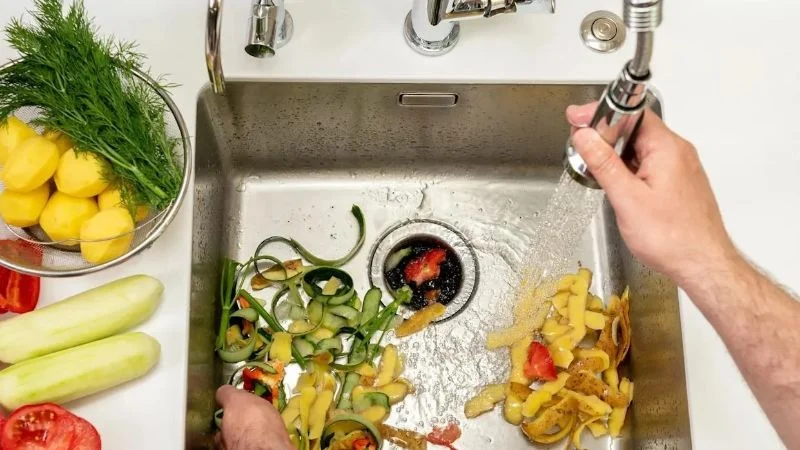
Thanksgiving plumbing tips are essential for homeowners preparing to host family and friends during the holiday season. Hosting Thanksgiving dinner brings food, celebration, and unprecedented strain on your home’s plumbing system. In the plumbing industry, the Friday immediately following Thanksgiving is widely recognized as "Black Friday" due to a massive nationwide surge in emergency drain calls.
For homeowners across Greater Orlando, hosting presents a distinct structural challenge. Most Central Florida homes are built on concrete slab foundations, meaning main drain lines run underneath inches of poured concrete before connecting to municipal sewer mains or septic systems. When heavy kitchen grease, fibrous foods, and extra bathroom usage hit your lines simultaneously, minor accumulation inside aging pipes quickly turns into a complete branch line backup.These Thanksgiving plumbing tips are particularly important for Central Florida homeowners, where increased holiday water usage can expose existing drain restrictions and sewer line problems.
Taking a few proactive steps can safeguard your garbage disposal, keep your kitchen sink draining freely, and prevent embarrassing guest bathroom overflows this holiday season.
Following practical Thanksgiving plumbing tips can make a significant difference, especially when multiple guests are using your kitchen, bathrooms, and drainage systems throughout the holiday weekend.
Thanksgiving Plumbing Tips: Quick Answer
To protect your plumbing during Thanksgiving, keep fats, oils, grease (FOG), and fibrous foods like potato peels out of your disposal. Always run cold water before, during, and after operating the unit. In guest bathrooms, place visible trash cans to prevent flushing wipes or paper towels, and space out showers to give Central Florida slab drain lines time to clear.
The Kitchen Drain: Dos and Don'ts for Thanksgiving Prep
Your kitchen sink and garbage disposal serve as the command center for Thanksgiving meal prep and cleanup. However, garbage disposals are designed to process light table scraps, not act as heavy-duty trash units.
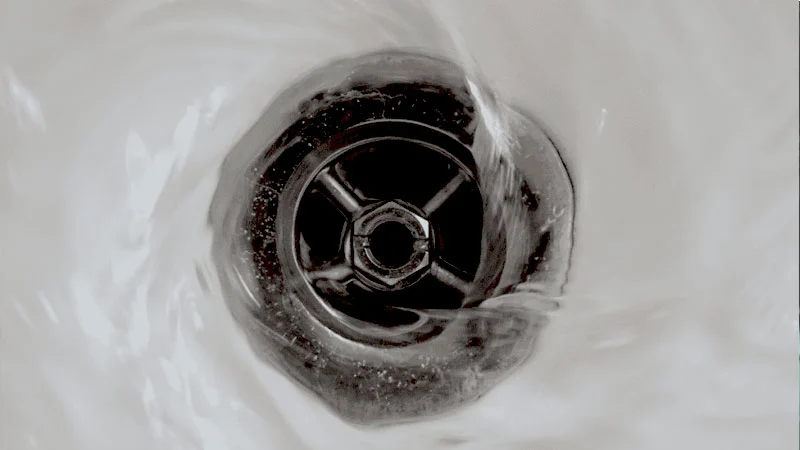
One of the most important Thanksgiving plumbing tips is to keep grease, cooking oils, and food scraps out of your kitchen drain. These materials can accumulate inside pipes and contribute to stubborn blockages during heavy holiday use.
What Never to Put Down the Disposal or Sink Drain
- Fats, Oils, and Grease (FOG): Warm turkey drippings, bacon grease, and buttery pans liquidize when hot, but rapidly solidify inside cool underground pipes. In Florida slab homes, lines running through slab foundations stay cooler than indoor ambient air, causing grease to coat pipe walls and catch passing debris.
- Fibrous and Starchy Vegetables: Celery, pumpkin guts, corn husks, and potato peels create major clogging hazards. Fibrous strings wrap tightly around the disposal impellers, jamming the motor. Starchy potato skins grind into a dense, paste-like sludge that lodges directly in the P-trap.
- Expanding Grains and Foods: Rice, pasta, and bread absorb standing water inside the drain, swelling to block water flow.
- Hard Waste: Turkey bones, fruit pits, and seafood shells can nick or shatter disposal blades and lodge in branch lines.
Best Operating Practices for Holiday Cooking
- Scrape Dishes into the Trash First: Remove all major food debris into a garbage can or compost bin before rinsing dishes in the sink.
- Use Cold Water Only: Run a strong stream of cold water for 15 seconds before turning on the disposal, keep it running while grinding food, and let it flow for 15 seconds after turning the disposal off. Cold water keeps any trace fats solid so the blades can chop them into fine particles before they reach your main drain line.
- Feed Scrap Bits Slowly: Introduce scraps in small batches rather than stuffing the hopper full before flipping the switch.
Protecting Guest Bathrooms Under Heavy Usage
When hosting overnight visitors or extended family, your guest bathrooms process significantly more volume in a single weekend than they normally do over an entire month. Following a few simple Thanksgiving plumbing tips can help prevent toilet clogs, overloaded drains, and unexpected bathroom backups when your home has extra guests.
Avoid Common Toilet Stoppages
The single most effective way to prevent toilet backups during holiday gatherings is managing what gets flushed:
- Strictly Flush Human Waste and Toilet Paper Only: "Flushable" wipes, baby wipes, paper towels, facial tissues, and feminine hygiene products do not dissolve like standard toilet paper. They snag on slight irregularities or scale buildup inside main drain lines, causing immediate blockages.
- Provide Trash Cans: Place a small, uncovered wastebasket directly beside each toilet so guests do not feel compelled to flush non-dissolving items.
- Keep a Plunger Nearby: Place a clean flange plunger next to the guest toilet to allow visitors to resolve minor clogs privately without disruption.
Shower and Sink Drain Considerations
- Drain Strainers: Install simple mesh drain covers over guest shower drains to trap long hair and prevent soap scum buildup from clogging the line.
- Stagger Bathrooms and Showers: Staggering shower times by 10 to 15 minutes allows sink and shower branch drains to drain completely and prevents temporary hydrostatic pressure spikes in aging lines.
Why Florida Slab Foundations Increase Holiday Drain Risks
Understanding Central Florida’s unique plumbing infrastructure helps explain why holiday drain overloads occur so suddenly in local properties. For homeowners with concrete slab foundations, Thanksgiving plumbing tips should also include paying attention to early warning signs of underground drain line restrictions before holiday gatherings begin.
- Under-Slab Drain Lines: In slab-on-grade homes common throughout Orlando, home drain lines run beneath a concrete slab foundation before tying into municipal sewer mains or septic tanks. If a blockage forms beneath the concrete, sewage can back up into low-lying shower pans or tubs.
- Sandy Soils and Settlement: Shifts in Central Florida's sandy soil can create minor bellying (sagging) in underground piping. Heavy grease and solids settle into these low spots first.
- Hard Water Scale: Local municipal water sources carry heavy mineral loads that create calcium scale along cast iron or PVC pipe interiors. Wipes and grease easily catch onto this rough inner texture.
What to Do If Your Garbage Disposal or Drain Clogs
If a backup occurs while preparing your Thanksgiving meal, follow these immediate troubleshooting steps:
Garbage Disposal Jammed or Dead
- Turn Off Power: Flip the wall switch off and unplug the disposal under the sink before attempting any troubleshooting.
- Check the Reset Button: Locate the red thermal overload button on the bottom of the disposal unit under the sink. If the motor overheated, let it cool for 5 minutes, then press the red button back in.
- Manually Turn the Impeller: Insert a 1/4-inch hex wrench (Allen key) into the center socket located on the bottom exterior of the disposal unit under the sink. Turn the wrench back and forth to manually free the jammed impellers. Never place hands inside the disposal hopper.
Kitchen Sink or Toilet Backing Up
- Stop Running Water Immediately: Cease using the dishwasher, running the kitchen sink, or flushing affected toilets.
- Avoid Chemical Drain Cleaners: Caustic chemical drain openers generate high heat that can crack PVC pipes, damage garbage disposal seals, and create dangerous chemical splashing for technicians if a manual snake or camera inspection is required later.
- Use Mechanical Clearing: Use a standard sink plunger or toilet plunger to attempt clearing minor surface blockages. If water continues to back up across multiple fixtures (such as a shower filling up when a toilet flushes), the blockage sits in your main drain line beneath the slab and requires professional drain clearing.
Frequently Asked Questions
Can I pour boiling water down my kitchen sink to melt grease down the drain?
No. While boiling water temporarily melts grease in the trap, the grease quickly cools and re-solidifies deeper down the line beneath your concrete slab, creating a stubborn blockage further away from the fixture. Dispose of grease by pouring it into a sealable container and placing it in the trash once cooled.
Why is my kitchen sink backing up into the garbage disposal when the dishwasher runs?
The kitchen sink drain, disposal, and dishwasher share a single branch line beneath your sink counter. If grease or food debris restricts that shared line, the wastewater pumped out during the dishwasher’s drain cycle has nowhere to go and forces its way up into the disposal and sink basin.
What should I do if my main sewer line backs up on Thanksgiving Day?
Turn off your main water supply to prevent additional wastewater buildup, stop using all plumbing fixtures, and contact a licensed local plumber who offers emergency drain cleaning services.
Following these Thanksgiving plumbing tips can help protect your kitchen drains, garbage disposal, and guest bathrooms from holiday-related plumbing problems. If you notice slow drainage, gurgling sounds, or foul odors before Thanksgiving, schedule a professional drain cleaning or inspection to address potential blockages early.