




Low Water Pressure? Find Where the Problem Starts
October 1, 2026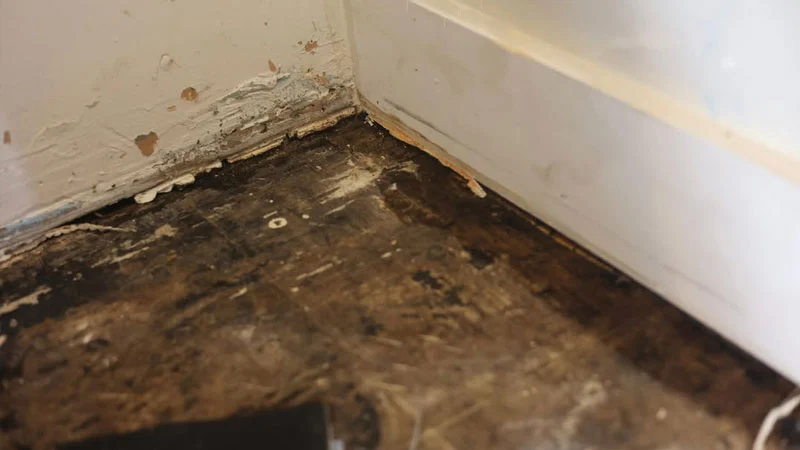
A higher water bill, a warm patch on the floor, or damp flooring that keeps returning may seem like separate problems. Sometimes, these changes point to a hidden plumbing leak beneath your home’s concrete foundation.
Possible signs of a slab leak include unexplained water usage, warm or damp floors, running-water sounds, musty odors, reduced water pressure, and new cracks or flooring movement. None of these symptoms confirms a slab leak on its own. Recognizing them early helps you know when to request a professional assessment.
What Is a Slab Leak?
A slab leak is a leak in plumbing beneath or within a home’s concrete slab foundation. It often involves a pressurized hot- or cold-water supply pipe, although drain lines beneath a slab can also develop leaks.
Because the piping is hidden, you may notice changes in water use or flooring before seeing standing water. Water can also travel away from the damaged pipe, so a visible wet spot does not necessarily identify the leak’s location.
1. Your Water Bill Increases Without an Obvious Explanation.
An unexpected increase in water consumption can be an early clue that water is escaping somewhere in the plumbing system.
Compare the gallons used on recent bills, not just the dollar amounts. A higher total might reflect a rate change, a longer billing period, extra irrigation, or additional people staying in the home.
If usage has increased without a clear reason, check accessible fixtures first. Running toilets, dripping faucets, and irrigation leaks can also waste water. When those possibilities do not explain the increase, a hidden supply-line leak deserves investigation.
2. One Area of the Floor Feels Unusually Warm.
A leaking hot-water pipe beneath the slab may create a warm area on the floor. You might notice it while walking barefoot across tile or another hard surface.
Pay attention to a spot that stays warm when nearby flooring is cooler, especially when sunlight, appliances, or another heat source cannot explain it.
A warm patch is a clue, not proof. Record where it occurs and whether it remains warm at different times of day. A professional can evaluate whether the temperature difference is related to under-slab plumbing.
3. Flooring Stays Damp or Begins to Change.
Unexplained dampness can appear as wet carpet, darkened grout, lifting flooring, or moisture along baseboards. Wood and laminate may begin to swell or change shape.
Look for moisture that returns after drying or appears away from an obvious spill or fixture. Photograph the affected area and note whether it grows.
Other causes are possible, including appliance leaks, water entering from outside, and moisture moving through the concrete. The source should be identified before flooring is replaced; otherwise, the same damage may return.
4. You Hear Water When Nothing Is Running.
A persistent hissing or rushing sound can indicate water moving through plumbing even when nobody is using it.
Before assuming there is a hidden leak, make sure toilets have finished filling and that the dishwasher, washing machine, irrigation system, and other water-using equipment are off.
If the sound continues without an explanation, note where it is most noticeable. Plumbing can carry sound through a building, so the loudest location may not be directly above the damaged pipe. Persistent unexplained water sounds warrant an assessment.
5. A Musty Smell Keeps Returning Near the Floor.
A recurring musty odor near flooring, cabinets, or baseboards may indicate persistent moisture. Sometimes, the smell becomes noticeable before visible damage develops.
In a Florida home, humidity or condensation may also contribute to musty conditions. An odor alone cannot establish that a pipe beneath the slab is leaking.
Look for accompanying changes, such as damp flooring, discoloration, or increased water consumption. Cleaning the surface or covering the smell will not resolve an ongoing moisture source. Identifying where the moisture comes from is the next step.
6. Water Pressure Drops Across Multiple Fixtures.
A supply-line leak can contribute to reduced water pressure, but low pressure has several possible causes.
If only one faucet has weak flow, a clogged aerator or local fixture issue may be responsible. If several fixtures are affected, the cause may involve the main supply, a valve, a pressure regulator, or the piping.
Low pressure becomes more concerning when it appears alongside rising water usage or unexplained floor moisture. A plumber can check the system and determine whether a leak is contributing to the change.
7. New Cracks or Flooring Movement Appear.
New cracks in tile, grout, or the slab deserve attention, particularly when they occur near damp areas. Some under-slab leaks can affect the supporting soil and contribute to movement.
However, cracks also develop for reasons unrelated to plumbing. A single hairline crack does not prove that a slab leak exists.
Document new or widening cracks and any accompanying moisture. A plumbing assessment can investigate a possible leak, while significant movement may require a separate evaluation by a qualified structural professional.
What Can You Check Before Calling a Professional?
A few simple observations can help explain the problem:
-
Review water consumption. Compare recent bills for changes in gallons used.
-
Inspect accessible plumbing. Look under sinks, around toilets, and near appliances.
-
Document symptoms. Photograph damp areas and record when sounds or warm spots occur.
-
Check the water meter. If conditions are stable, compare readings during a period when no water is being used.
The EPA recommends checking the meter before and after a two-hour period without water use. A change suggests a possible leak, but it does not identify its location. Make sure automatic water-using equipment is not operating during the check.
Do not delay getting help to complete a meter test if water is actively spreading.
When Should You Request a Professional Slab Leak Assessment?
Request an assessment when a symptom persists without an explanation, especially when several signs appear together. You do not need to wait for visible flooding.
Seek prompt assistance if flooring is becoming saturated, water is spreading, or you suspect continuous water loss. If you know how to operate your home’s main water shutoff and can reach it safely, shutting off the supply can help limit an active supply leak.
Avoid drilling into the slab or removing flooring based only on a warm or damp spot. Those symptoms help guide an investigation but do not establish the repair location.
How Professional Slab Leak Detection Helps
A professional assessment aims to determine whether a leak exists, identify the affected plumbing, and narrow down its location before repair work begins.
Depending on the property, a specialist may use pressure testing, acoustic listening equipment, moisture measurements, or thermal imaging. These methods provide different clues; the appropriate combination depends on the pipe layout and site conditions.
Locating the problem first can help reduce unnecessary exploratory demolition. Detection and repair are separate steps, and the repair approach should follow the findings.