


Thanksgiving Plumbing Tips for Florida Hosts: Protect Your Kitchen Drain, Disposal, and Guest Bathrooms
November 3, 2026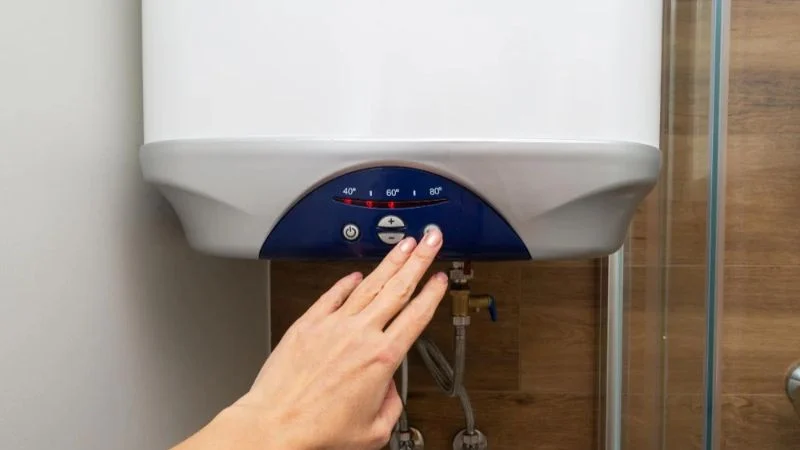
Understanding your water heater lifespan is essential when preparing your home for holiday guests. Hosting family and friends for the holidays puts your entire home’s plumbing system to the test. Between extra loads of laundry, endless dishwashing cycles, and back-to-back morning showers, hot water demand spikes overnight. If your system is already struggling, the sudden influx of guests can quickly trigger a total heating failure, leaving your household with icy showers and a major disruption to your holiday hosting plans.
For homeowners in Greater Orlando and throughout Central Florida, water heater performance can be affected by local water conditions, system age, and maintenance habits. Mineral-rich water can contribute to sediment and scale buildup, while an aging unit may struggle to keep up with increased household demand. In addition, some Florida homeowners may encounter water heater age and condition requirements during insurance reviews or property inspections.
Knowing the expected water heater lifespan for your specific system can help you plan maintenance, recognize replacement needs, and avoid unexpected hot water failures during the busiest time of the year.
Quick Answer: How Long Does a Water Heater Last?
Most traditional tank water heaters last approximately 8 to 12 years, while tankless water heaters can last 15 to 20 years or longer with proper maintenance. Common signs of a failing unit include inconsistent water temperatures, reduced hot water supply, popping or rumbling noises, rusty hot water, and moisture around the tank.
Although the average water heater lifespan varies by system type, regular maintenance and timely inspections can help identify problems before they develop into costly breakdowns.
Tank vs. Tankless: Understanding System Longevity
Water heater longevity depends largely on the type of system installed, the quality of the water entering your home, and how consistently the unit receives maintenance. Traditional storage tank systems generally have a shorter service life than tankless models because they continuously store and heat water inside the tank.
Several factors influence water heater lifespan, including water quality, installation conditions, maintenance frequency, and the amount of hot water your household uses daily.
- Traditional tank water heaters: Typically last 8 to 12 years. In parts of Greater Orlando, mineral buildup and sediment accumulation may contribute to wear, making maintenance particularly important.
- Tankless water heaters: Often last 15 to 20 years or longer when properly maintained. These systems heat water on demand and do not store a large volume of heated water.
- Hybrid heat pump water heaters: Commonly have an expected service life of approximately 10 to 15 years, depending on installation conditions and maintenance.
Why Orlando Water Heaters May Wear Out Faster
Homeowners in Central Florida should consider several local conditions that can affect water heater performance and longevity.
- Mineral content in the water: Hard water minerals can settle inside traditional tanks, forming sediment that reduces heating efficiency and contributes to component wear.
- Year-round hot water demand: Florida households use hot water throughout the year. Frequent operation and high household demand can place additional stress on an aging system.
- Garage and utility-area conditions: Water heaters installed in garages or utility spaces may experience temperature fluctuations and environmental conditions that affect surrounding components and connections.
Routine inspections and maintenance can help identify sediment buildup, worn components, and early signs of corrosion before they lead to a complete system failure.
7 Clear Signs Your Water Heater Is Failing
As your water heater lifespan approaches its expected limit, these warning signs become especially important. Recognizing them early can help you determine whether professional repairs or a complete replacement are necessary.
- Inconsistent Water Temperatures or Rapid Hot Water Depletion
If your shower suddenly turns cold or your hot water supply runs out faster than usual, your system may be struggling to meet household demand. A malfunctioning heating element, thermostat issue, or sediment buildup could be responsible.
- Popping, Rumbling, or Banging Noises
Unusual sounds coming from a tank water heater often indicate sediment accumulation at the bottom of the tank. As water heats beneath the sediment layer, trapped steam bubbles can create popping or rumbling noises.
- Rusty or Discolored Hot Water
If rusty or brownish water comes from your hot water taps, internal corrosion may be affecting the tank. Although discoloration can sometimes originate in the plumbing pipes, persistent rusty hot water should be professionally evaluated.
- Standing Water or Active Leaks Around the Tank
Moisture around the base of your water heater can indicate a leaking connection, pressure-related issue, or deterioration of the tank itself. A leaking tank generally requires replacement rather than a simple repair.
- Metallic Odors or Unusual Taste in Hot Water
Unusual odors or a metallic taste in hot water may indicate corrosion, sediment, or bacterial activity inside the system. These symptoms should be inspected to identify the source and determine the appropriate solution.
- Unexpected Increases in Energy Bills
If your utility bills increase without a clear explanation, your water heater may be losing efficiency. Sediment buildup and aging components can force the system to work harder and consume more energy to heat water.
- Your Water Heater Is 8 Years Old or Older
Age alone does not mean your system needs immediate replacement. However, once a traditional tank water heater reaches approximately eight years, monitoring its condition and planning for eventual replacement becomes increasingly important.
Florida 4-Point Inspections and Water Heater Requirements
For Florida homeowners, the age and condition of a water heater may become important during an insurance review or property inspection. A 4-Point Inspection typically evaluates major home systems, including plumbing, electrical, HVAC, and roofing. Insurance companies may also request information about the water heater's age, installation, visible condition, and safety features.
Some insurance carriers may apply specific age guidelines or underwriting requirements to water heaters, particularly older units showing corrosion, leaks, or signs of deterioration. Requirements vary by insurer and policy, so homeowners should confirm the applicable standards directly with their insurance provider.
Inspectors may also look for visible concerns such as:
- Corrosion or deterioration around the tank and plumbing connections.
- Evidence of active leaks or previous water damage.
- Proper installation and discharge piping for the temperature and pressure relief valve (TPR valve).
- Visible signs of unsafe or deteriorating components.
A water heater's age is an important consideration when evaluating its remaining service life, especially for Florida homeowners preparing for insurance inspections or policy renewals. Addressing visible issues before an inspection can help homeowners understand the condition of their plumbing system.
Repair or Replace? A Checklist Before Holiday Hosting
Deciding whether to repair or replace a water heater depends on its age, overall condition, repair costs, and ability to provide enough hot water for your household. Before hosting holiday guests, consider the following factors.
When Repair May Be the Better Option
- Your water heater is relatively new, generally under six years old.
- The problem involves a replaceable component, such as a thermostat or heating element.
- The tank itself is structurally sound and shows no signs of leaking or significant corrosion.
- The repair cost is reasonable compared with the cost of installing a new system.
When Replacement May Be the Better Option
- Your traditional tank water heater is eight years old or older and experiencing recurring problems.
- The tank is leaking or showing significant corrosion.
- Persistent rumbling or popping noises indicate substantial sediment buildup.
- Your system cannot consistently meet your household's hot water demand.
- Repair costs are approaching a significant portion of the price of a new unit.
When evaluating repair versus replacement, a professional inspection can help determine whether the existing system is safe, efficient, and suitable for continued use. Replacing an aging unit before a major holiday gathering may also help prevent an unexpected interruption in your hot water supply.
Frequently Asked Questions About Water Heater Lifespan and Maintenance
How long does it take to replace a water heater?
A standard tank-to-tank water heater replacement generally takes approximately 2 to 4 hours, depending on the installation conditions and any necessary plumbing adjustments. Switching from a traditional tank system to a tankless unit may take approximately 4 to 8 hours or longer because additional modifications may be required. Actual installation time varies by property and system configuration.
Should I flush my water heater myself?
Traditional tank water heaters generally benefit from periodic flushing to remove accumulated sediment. Annual maintenance is commonly recommended, although the ideal frequency depends on local water conditions and manufacturer instructions. If your unit is older and has never been flushed, consult a plumbing professional before attempting to drain it, as existing corrosion or sediment buildup may complicate the process.
Can a tankless water heater handle multiple holiday guests?
Yes, a properly sized tankless water heater can supply hot water to multiple fixtures, but its performance depends on the system's flow rate, measured in gallons per minute (GPM), and the temperature rise required. If several guests are showering, running dishwashers, or using hot water simultaneously, an undersized unit may struggle to meet demand. A professional can evaluate your household's peak usage and recommend an appropriate system capacity.
What is the average water heater lifespan in Florida?
Traditional tank water heaters generally last around 8 to 12 years, while tankless systems can last 15 to 20 years or longer with proper maintenance. In Central Florida, mineral buildup, maintenance practices, installation conditions, and household demand can influence how long a system performs reliably.
Should I replace my water heater before it stops working?
Not necessarily. However, replacing an older unit may be a practical decision if it shows signs of corrosion, leaks, recurring performance problems, or declining efficiency. Planning ahead can help you avoid an emergency replacement when your household needs hot water the most.
Prepare Your Water Heater Before Holiday Guests Arrive
Understanding your water heater lifespan and recognizing early warning signs can help prevent unexpected breakdowns during the holiday season. If your system is aging, producing inconsistent hot water, or showing signs of corrosion, schedule a professional inspection before your guests arrive.